Composition:
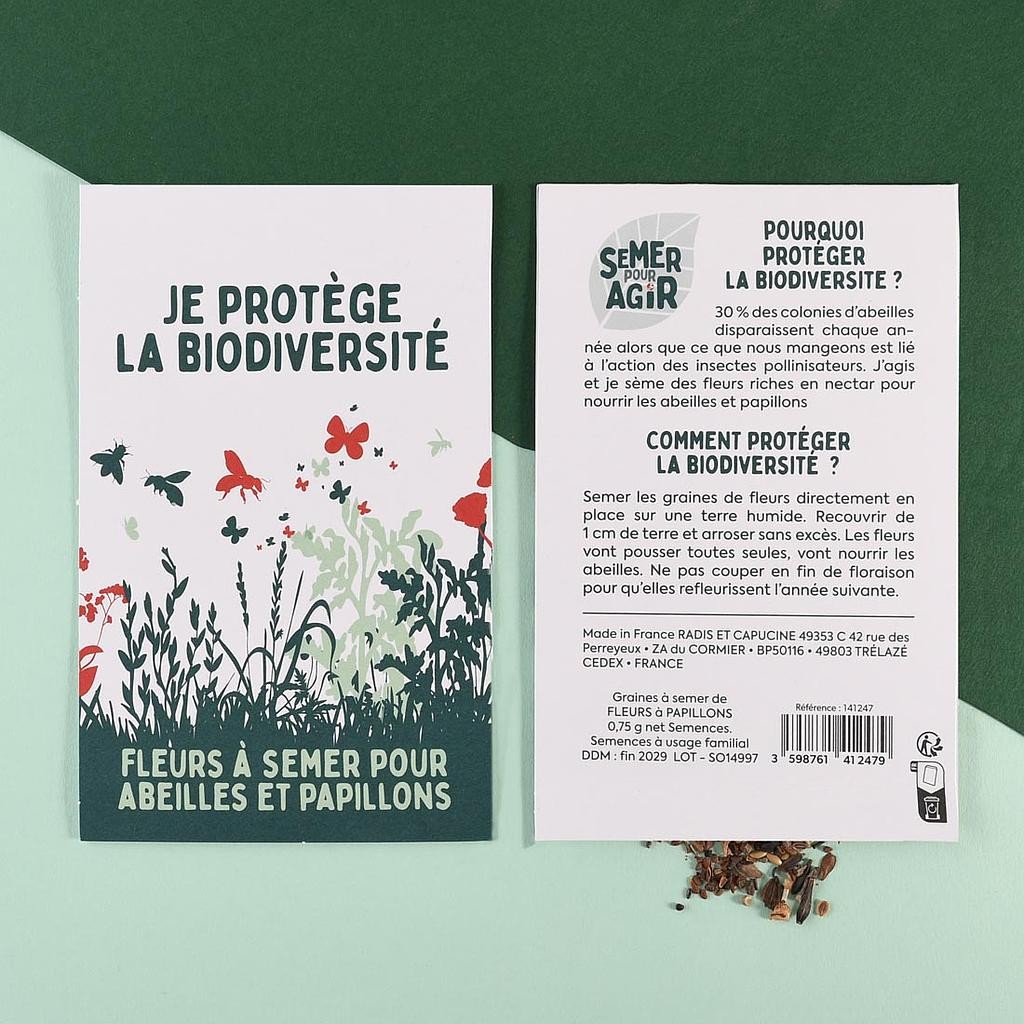
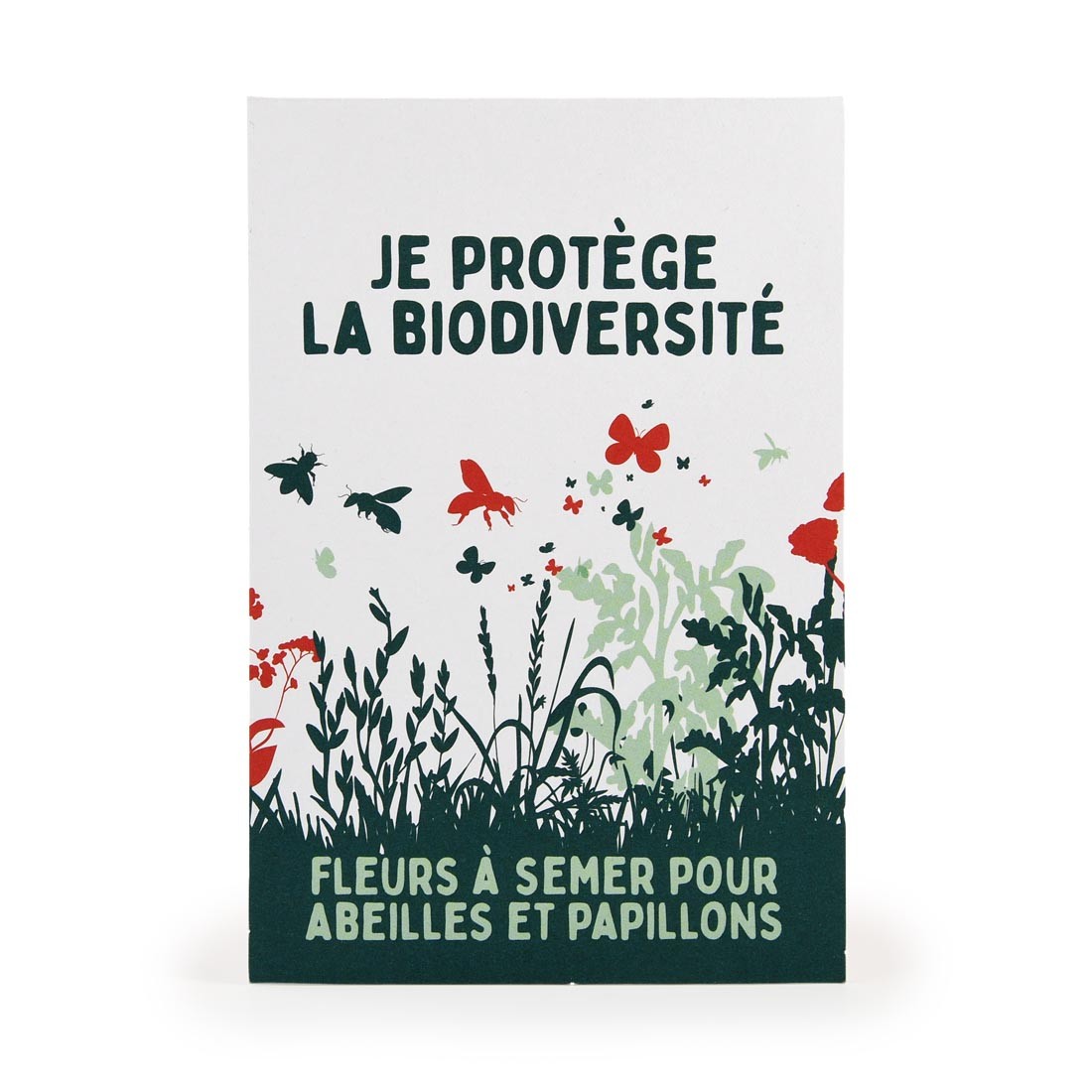
- Contains a mixture of honey flowers, specially designed to attract and feed bees and other pollinating insects.
Cultivation mode:
- Sun exposure: Choose a sunny spot in your garden, well exposed, to maximize nectar production.
- Well-drained soil: The soil must be well-ventilated and well-drained. Some species like lavender prefer dry and slightly calcareous soils, while others, such as clover, prefer a moister soil.
- Prepare the soil: Aerate the soil with a fork or garden claw and enrich it with compost to ensure proper plant growth.
- Sowing: Sow the seeds in open ground in spring or autumn, depending on the variety. Be sure to sow at the recommended depth for each species.
- Planting plants: Plant them in the spring, making sure to space the plants according to their specific needs in terms of width and height.
- Moderate watering: Water regularly but without excess, especially during dry periods. Soil that is too wet can damage the roots and growth of plants.
- Weeding: Keep your garden clean of weeds that could compete with your honey flowers for resources.
- Mulch: Apply mulch around plants to retain soil moisture and limit weed growth.
- Avoid excess fertilizer: Honey flowers do not need a lot of fertilizer. A balanced fertilizer, preferably organic, can be applied in early spring to promote growth.
- Do not use pesticides: Avoid chemicals that can harm bees and other pollinating insects. Use natural alternatives to protect your plants if necessary.
- Create a supportive environment: In addition to flowers, you can add items such as nest boxes for solitary bees and shelters for other insects.
- Leave the flowers in place: If you want to maximize benefits for pollinators, let the flowers grow and produce seeds after they bloom.
- Observe biodiversity: Take advantage of the diversity of insects and pollinators that will come to forage for your honey flowers. It can also be a great opportunity to observe local biodiversity and see the impact of your plantations on the ecosystem.
Why choose the mellifere flower bags?
More than 70% of fruit and vegetable crops in France depend on pollination, but our precious pollinators, such as bees and butterflies, are at risk. One in ten species is on the verge of extinction, and one in three is declining, mainly due to lack of food and disturbance from pesticides.
Your gesture of sowing honey flowers wherever you can is a concrete action to feed bees and butterflies, while promoting the natural pollination of fruits and vegetables that we will eat tomorrow. Every flower counts, as it contributes to the survival of these pollinators, which in turn ensures a better harvest for our crops. You become a key player in the food chain and biodiversity conservation, while contributing to the availability of healthy fruits and vegetables for future generations.
Your choice to take action by sowing flowers is a gesture of hope for our pollinators and our planet. This is a responsible approach that has an impact on the environment and food safety of our society.
- Promote biodiversity: These seed bags encourage the protection of biodiversity by promoting natural pollination.
- Ecosystem support: By planting nourishing flowers, your customers help feed the bees and other pollinators that are essential to agriculture.
- Responsible image: By offering these seeds, your company shows its commitment to protecting the environment and preserving biodiversity.
- Gift that grows: These seed bags offer a responsible, educational and interactive gift, as they allow recipients to cultivate their own floral ecosystem.
- Support a French seed producer: By choosing this product, you are supporting a team involved in France in Angers, promoting national production.
-
Width :
8 cm
-
Height :
0 cm
-
Depth :
11 cm
-
Weight :
0.05 kg